
Splitting mobile money from telcos a painful misstep
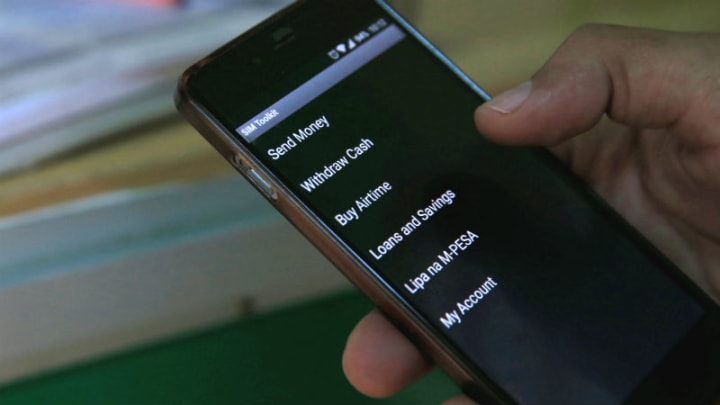
There is a seemingly endless struggle to split M-Pesa business from Safaricom. The scales of winning
this battle might, however, seem to be favourably leaning towards the legislators, pursuant to the amendments made to the Kenya Information and Communication Act that has revived the previous attempts to compel telecoms firms to separate and de-link their main businesses from “other innovative” subsidiaries. The legislators have argued that M-Pesa is a banking business and not a telecoms business, insisting that this forms the basis why the former should be licensed under the Banking Act.
M-Pesa has, for starters, been one of the greatest innovations in Kenya, as well as Africa. This great innovation has decentralised money services by cutting more than half the cost and time that a a conventional bank would spend just to transfer money.
It is an innovation that assuredly remains envied by many across the world.
I encourage technological innovations in this era, but the revived plans to separate the two business entities makes me wonder what will be left of technovation in companies. Companies should be given the liberty to develop new ideas, products, services and processes which advance technology.
Something along the lines of “creating an essential service fully detached from the core business of the company that no one really asked for….only to end up being very essential both to the company and to everyone else.”
The market disruption created by M-Pesa has been one that is quite peculiar both to the regulators and the government to a point that no one for the longest time understood whether it performed banking business or it was a telecommunication company transferring money.
Banking business as defined under the Banking Act, simply means accepting—from members of the public — money on deposit repayable on demand, or at an expiry of a fixed period or after notice.
This disruption caused unimaginable uproar in the banking industry, but in equal breath received admirable support from the Central Bank of Kenya, which clearly insisted that bankers should instead partner with telcos to provide better financial services instead of calling for its regulation under the Banking Act.
Understandably, the silent uproar in the banking industry is premised on the fact that the CBK has been so lenient on telcos providing financial services similar to those of banking business without subjecting them to strict regulations faced by the banks.
Admittedly, mobile banking has emerged as a strong competition to financial institutions. The opponents of the separation of mobile money business from telcos think separations could curtail innovations. I don’t know how accurate this is. You be the judge.
Other than providing mobile money services, telcos remain essentially non-bank based financial service providers. Also, they don’t operate a direct contractual relationship between consumers and the licensed financial institutions that keep trust accounts which require authorisation before any withdrawals are made.
Mobile money is regulated by the CBK and the Communications Authority of Kenya.